
The product
What is packed, its geometry, value, fragility, weight and sensitivity.
The same roll, band, carton or tape behaves differently across wholesale, production, warehouse and fulfilment settings. We start with the operation.

Wholesalers need more than a product that works once. Pack quantity, labels, pallet configuration, neutral presentation, repeat specification and margin visibility all affect whether a line belongs in the range.
We build the enquiry around the current reference product, buyer market, annual demand and presentation required for onward B2B sale.
Explore the material range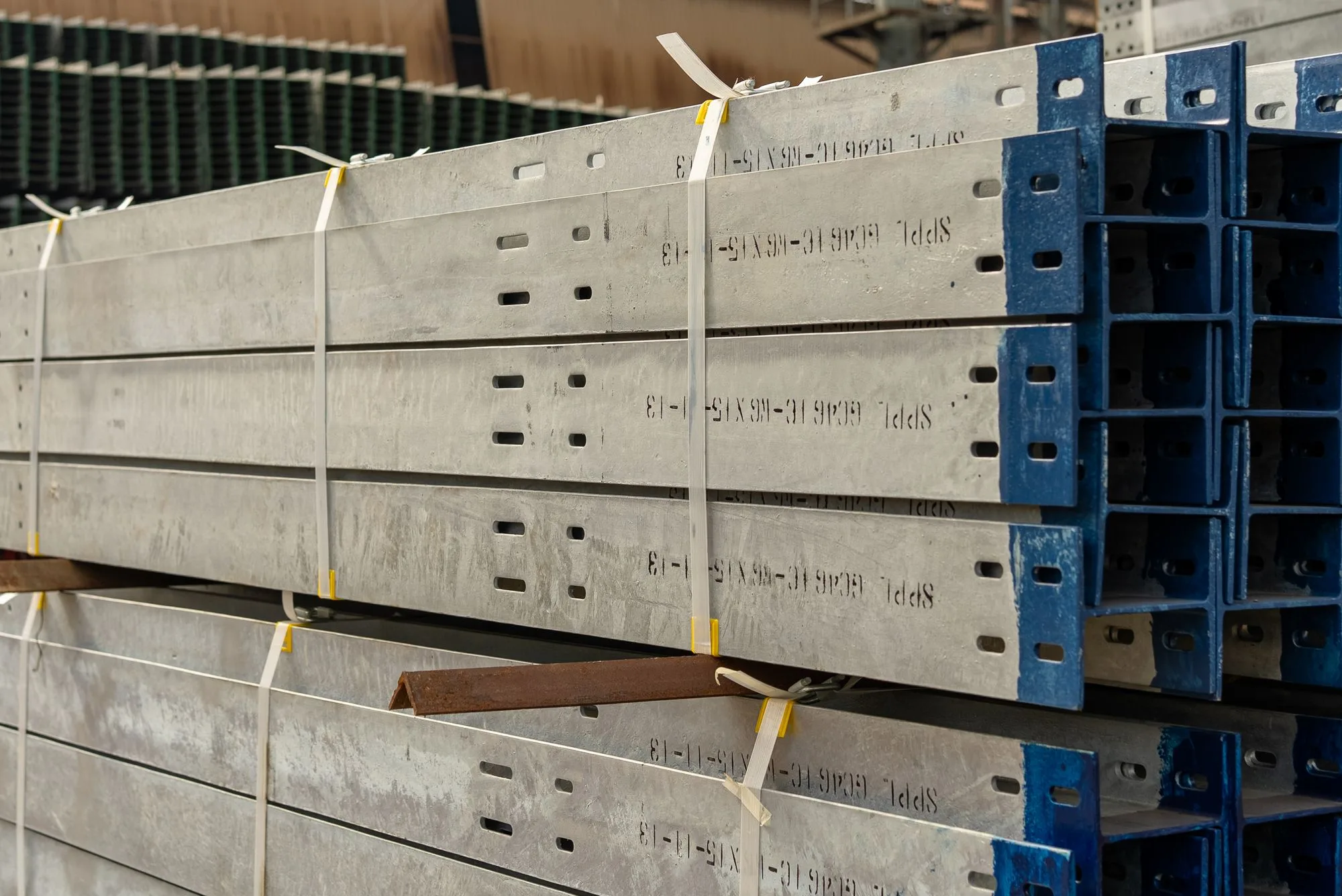
Manufacturing buyers feel packaging failure as interrupted output, damaged product or unstable despatch. Equipment compatibility and pack-cycle consistency therefore matter alongside nominal material properties.
Machine model, current material, product geometry, packed weight, line speed and failure history provide a stronger sourcing brief than price and dimensions alone.
See PP strapping decisions
Warehouse packaging meets forks, racks, conveyors, staging areas and repeated handling. A material must support the complete movement rather than only look intact after application.
Pallet profile, stack height, storage time, handling frequency, load identification and outbound mode help define film, strapping and carton requirements.
See stretch film decisions
Fulfilment operations need carton and closure formats that are quick to identify, assemble and seal without compromising the outbound journey.
Order profile, case-size mix, pack bench, tape dispenser, closure pattern, labelling area and daily throughput are all useful parts of the buying brief.
See kraft tape decisions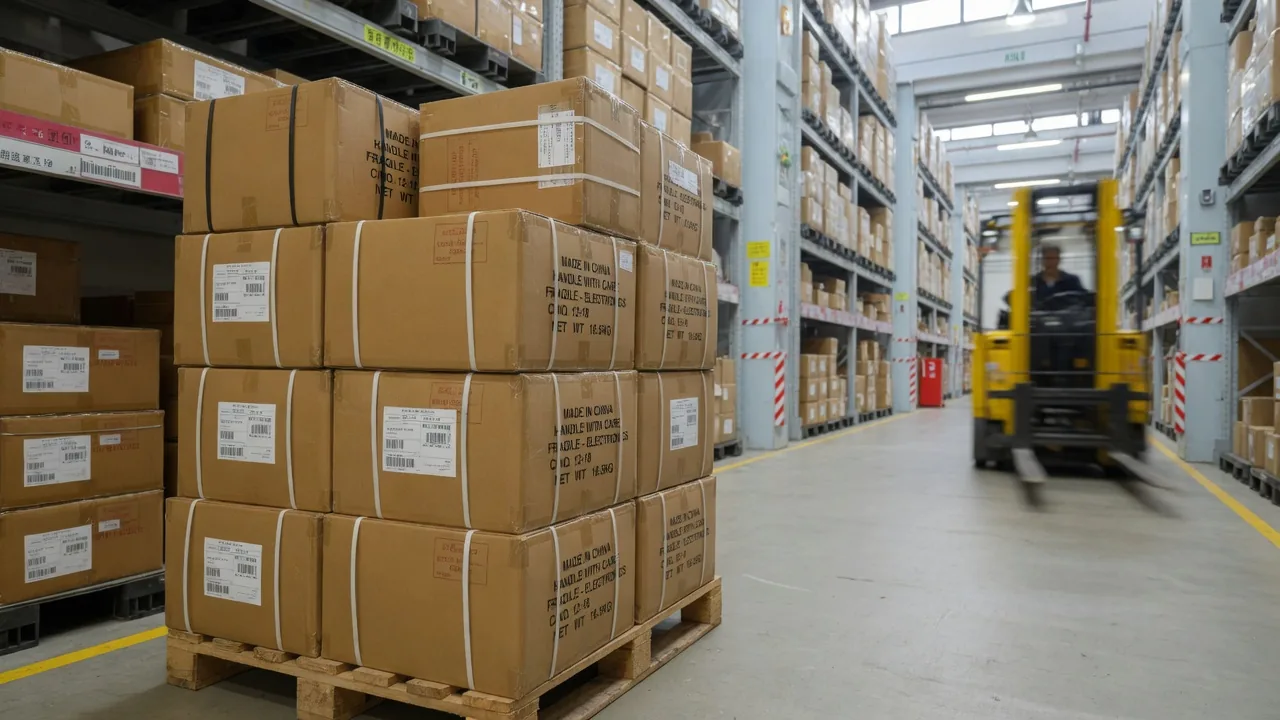
Electronics distributors need more than a product photo. Serial lists, inner-box counts, original systems, lithium packing rules and destination documents decide whether a lot can be received and sold onward.
We build the 3C enquiry around configuration, pack format, sample unit, warranty and named port. The range covers portable SSDs, wireless earbuds, Android tablets, power banks and 4K action cameras.
Explore the 3C digital rangeThese priorities guide the opening conversation. The final material specification remains application-specific.
| Buyer context | First priority | Details that often decide the fit | Likely material focus |
|---|---|---|---|
| Packaging wholesaler | Range fit and repeatability | Pack presentation, neutral labelling, pallet count, annual cadence, market conventions | All four focused lines |
| Manufacturer | Equipment and load compatibility | Machine, line speed, product geometry, current failure, changeover and tolerance | Stretch film and PP strapping |
| Logistics operator | Stable unit loads through handling | Pallet profile, warehouse time, fork movements, storage height and outbound mode | Stretch film, strapping and cartons |
| Fulfilment operation | Repeatable pack-station throughput | Order mix, case range, closure method, labels, workstation and daily volume | Export cartons and kraft tape |
| Electronics distributor | Sealed, countable wholesale lots | Configuration, serial list, inner-box count, original system, lithium packing, destination | SSD, earbuds, tablets, power banks, action cameras |
What is packed, its geometry, value, fragility, weight and sensitivity.
How the material is applied, the equipment used and the required throughput.
Order volume, inner pack, carton, pallet and repeat cadence.
Storage, handling, ocean freight, destination and onward movement.
The closer the enquiry gets to real use, the better the specification and commercial comparison can become.
Describe your operation